Contact Lenses
Contact Lenses vs. Glasses: The Ultimate Comparison
6 mins read

For many contact lens wearers, glasses play an ongoing role, either as back-ups, an alternative, or as an easy way to extend corrected vision time once a full day’s lens wearing is over. It’s always a good idea for a contact lens wearer to have back-up glasses, for days when their eyes are particularly sensitive, tired or (at worst) infected.
Let’s assume, however, that someone—you—has just been given a prescription indicating a need for some form of vision correction. In our scenario, you want to choose between glasses and contacts. What are the pros and cons of each?
If you decide to wear glasses only, you may be persuaded by one factor above all others. They’re so easy to use.
Cleaning and maintenance is minimal, you don’t need to restock very often, you don’t need to place lenses onto your eyeballs and unless you go for designer options or fancy lenses, they’re probably cheaper over their lifetime.
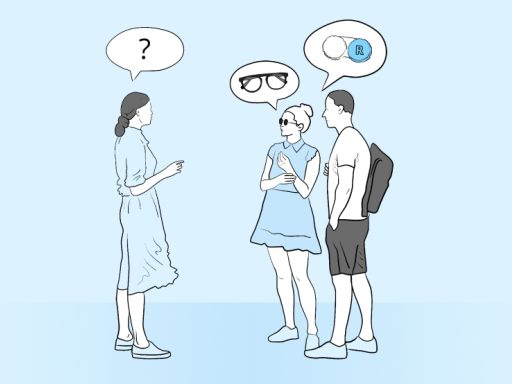
When you’re in a hurry, you can go from blurry vision to clear sight in an instant. You don’t need to poke around your eyes. As a physical barrier, spectacles can protect your sight, keeping out dust, debris and (in the case of sunglasses and photochromic glasses) UV light as well.
Do you like fiddling with props? For some people, glasses are an accessory or a fashion statement - even part of their personality. You may like the impression you create, as glasses frame your eyes and change your looks.
On the flipside, glasses can be – How can we say this politely? A pain in the neck. They’re a great big lump of plastic, sitting right where you don’t want them. They slide down your nose, rub the skin, leave marks on your nose and behind your ears, get streaked with rain, fog up when coming inside from the cold and get in the way during sport and play.
Every single glasses-wearer has knocked them off their nose or behind their bedside table at some point. If you don’t wear them full time, they’re the easiest objects in your life to lose (even more so than house or car keys). They sit unnoticed on your head, slide down any gaps in the furniture or simply hide, failing to shout “I’m over here!” as you hunt for them around the house.
They can look odd too. Anyone with a particularly strong prescription is likely to have their face distorted behind the glasses. Spectacles reflect and bend light - whilst getting in the way of helmets, sports gear and (dare we say it) romantic moments!
Although lenses are much lighter these days, heavy or tight-fitting frames can cause headaches or discomfort. Plus, if they break, it’s inconvenient, time-consuming and expensive to repair them.
During such repairs you’ll be forced to wear a previous or spare pair – the ones with the out-of-date prescription and uncool design.
Contact lenses avoid all these pitfalls, with many advantages over glasses.
Once inserted, you can forget about them, playing sports and living an active lifestyle without worrying about breaking or dropping a pair of glasses. In the rain or on the run, lenses simply get on with their job, letting you get on with yours. Feel free, act naturally—and have fun!
Contacts lenses won’t fog up in the cold, slide down your nose in the heat or become almost useless in pouring rain. Since they cover your eye, you get a full field of vision in all directions, including peripherally, leading to fewer distortions and obstructions. Wearing lenses removes the temptation to squint, constantly push your glasses back up your nose (it’s amazing how long you’ll still try to do this, even when you’ve given up wearing spectacles!) or keep swapping between different types of prescription glasses and sunglasses.
Now that even daily disposable contacts can deal with astigmatism and multifocal needs, there’s very little a pair of specs can do that contact lenses can’t. You can even choose extended wear contact lenses, which let you keep them in continuously, wearing them for up to 31 consecutive days and 30 nights.
Perhaps most impressively, contact lenses let you look your best. Instead of looking at a frame, people see the real you (or if you choose color lenses, the augmented you).
That’s not to say today’s glasses can’t be stylish. Many people wear a combination. Some combine glasses with color contacts to create a distinctive personal style. Equally, cool ‘off the shelf’ sunglasses can be worn over contact lenses, blending full-eye UV protection with a whole new film-star look.
The convenience of contact lenses is balanced by a few downsides. Most obviously, you may currently feel uncomfortable by the thought of putting something in your eye.
Perhaps you’ve heard stories about unpleasant experiences with contact lenses. The chances are these relate to issues that are way out of date. Today’s contact lenses are technologically far more advanced - and provided you use, handle and care for them properly, you’ll enjoy greater comfort, better vision and far fewer potential complications.
The key is working with your optician to choose and get fitted with quality lenses in the first place. Wearing contact lenses is safe, if you follow the instructions given to you by the eye care professionals. That includes attending regular follow-ups—just like you do for your teeth.
There’s no getting around the fact, however, that lenses require a bit more care than spectacles, since you need to clean, disinfect and store them after each use. Wearing daily disposables makes maintenance much less of a hassle, but you’ll still need to remember to stock up on supplies. If you select monthly replacement lenses you’ll also have to buy, a case and solutions—and keep them with you when you travel.
We’ve shown you an objective set of pros and cons.
If you were looking for a definitive recommendation one way or the other, sorry: there’s no single neat and correct answer.
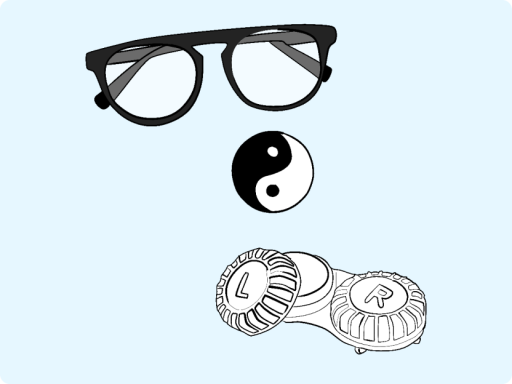
You could wear glasses, contact lenses or both. You could go for glasses one day, lenses the next. You could swap from lenses during the day, to glasses in the evening, or the other way around. It’s all a matter of personal preference.
But don’t compromise: choose what’s right—for you! Talk to your optician about the right eye care and vision correction plan for your needs.
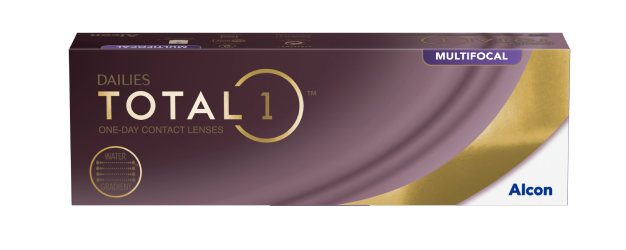
DAILIES TOTAL1™ MULTIFOCAL
See clearly at all distances, near through far,1,2 in a multifocal contact lens that feels like nothing.3
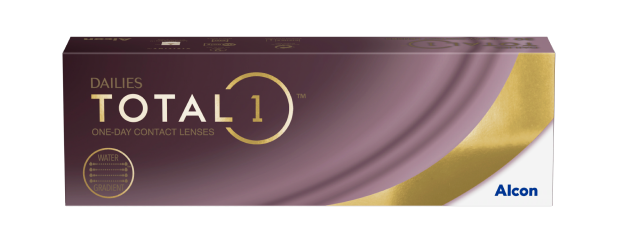
DAILIES TOTAL1™
With only a cushion of moisture touching the eye, it’s the contact lens that feels like nothing.3
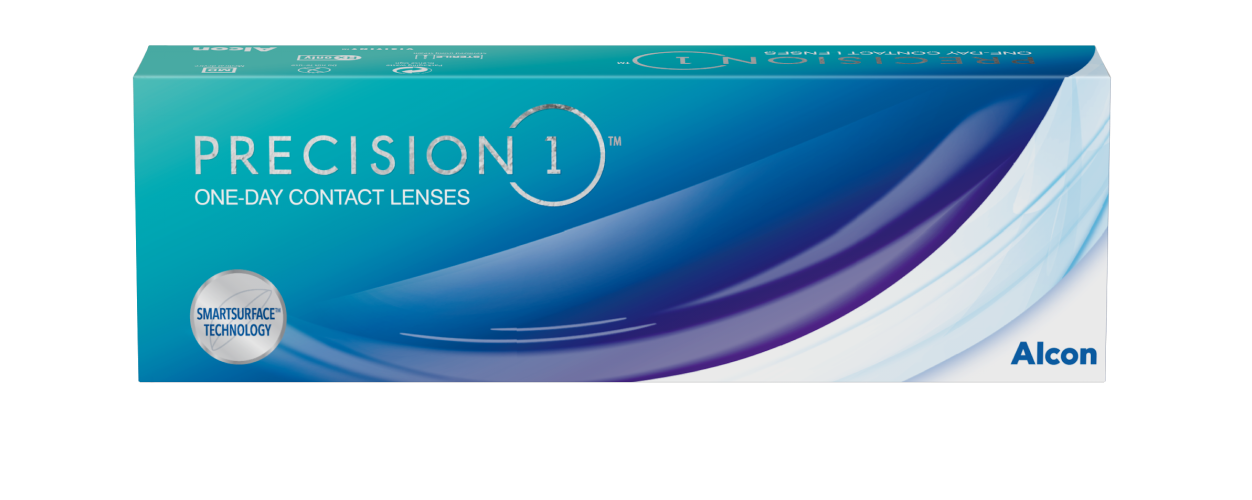
PRECISION1™
Precise vision and dependable comfort4 in an easy-to-wear, easy-to-love daily disposable contact lens.
REFERENCES
Consult your eye care professional for wear, care, precautions, warnings, contraindications and adverse effects.
©2023 Alcon IMG-DTM-2300004