Vision Health
At What Age Can I Start Wearing Contact Lenses?
4 mins read

If you’re a teenager, or are a parent of one, contact lenses could change your confidence, vision and life. They could be the perfect answer to vision correction needs - or completely wrong for you.
Suitability for contact lenses depends on many factors, including the capabilities and character of the individual, not just the nature of their eyes.
Young children may not be ready or able to apply and remove contact lenses themselves. Understandably, they may not want anyone but their parents to come anywhere near their eyes.
This sort of concern may explain why although one in three children and young adults need some form of vision correction, only about 1 in 12 of these are contact lens wearers. Those who do start wearing contact lenses tend to adopt them at about 13 years of age.
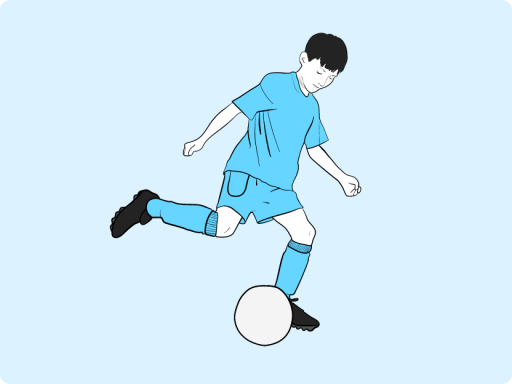
Interestingly, even younger kids tend to be absolutely fine wearing, handling and looking after contact lenses. Studies show them to be just as capable as their elders, in terms of care and maintenance. Children are fast learners - and they love the benefits that wearing contact lenses brings.
Childhood is a rough-and-tumble stage of life. As young people build confidence, not having to worry about their sight or wearing glasses can be a massive plus. Instead of losing or breaking their glasses, or not wearing them and struggling with poor vision, a child wearing contact lenses can take part normally in any sport or activity (other than swimming), enjoying a full field of vision rather than the limited peripheral vision given by glasses.
Social acceptance and self-esteem can also be significantly improved by the more natural look of contact lenses over spectacles. What’s more, contact lenses for teenagers open up whole new opportunities—from make-up to wearing colour contact lenses and sunglasses.
Contact lenses are cool!
Full-time vision correction is important, so knowing a child has their contact lenses in all day alleviates concerns over squinting, astigmatism and lazy eyes.
Contact lenses can also be used to slow the progress of myopia (nearsightedness), with special contact lenses being worn overnight to reshape the cornea. Even babies are fitted with contact lenses to correct or manage some eye conditions.
It depends. Talk to your optician. If they and you agree that the young person in question is mature and capable enough to clean, care for and handle contact lenses on their own, it’s a yes. Children and teenagers are just as entitled to experience the glories of contact lenses as anyone else - whether soft daily disposables, an affordable monthly replacement lens, or rigid contact lenses.
Always drive home how important it is to follow best practice to ensure healthy contact lens wear. Most importantly, this revolves around keeping the contact lenses clean, wearing and replacing them as per instructions, and following all the maintenance rules. It’s a small price to be paid for all the benefits of contact lenses.
However, if a teenager with no need for vision correction just wants to buy a pair of colour lenses online, for one-off cosmetic reasons, then the answer may be no, not yet, or not without advice and guidance first, from a qualified optician. You’ll need a firm commitment from the teenager to wear the lenses responsibly. If you think all of the above applies, then daily disposables are probably the best options to look at.
Most older patients who require vision correction rely on glasses. Many assume that contact lenses are for the younger generations. Senior citizens are often surprised to learn that although their eyes have aged, there are contact lenses for almost any condition they may have. In fact, multifocal contact lenses may be worn by those aged 40 and above.
These conditions may be specific to them and present from birth or youth. Others could be age-related. For instance, after middle age the lenses inside our eyes lose their elasticity, in a common condition called presbyopia: bifocal and multifocal contact lenses can correct this. Dry eyes and a steady loss of visual acuity are also common with advancing age, as are increased light and eye sensitivity. Once again, these issues can all be addressed through contact lenses.
Of course, an older person may have difficulty with coordination. If their hands are unsteady, it can be hard to keep a contact lens still or balanced during application. Equally, there’s a risk of shaky hands leading to scratched eyes when removing a lens. When contact lenses are suggested for therapeutic use, finding someone to help apply them can make the difference between a wonderful option and a step too far.
However, having always kept fingers and the world away from their eyes, some older people may feel it’s too late to change a lifetime’s habits. As in all cases, it’s up to them, or those caring for them, to talk to the eye care professionals, to decide whether contact lenses are a good idea or not.
But let’s return to that opening question. Can you wear contact lenses at any age? Yes, absolutely!
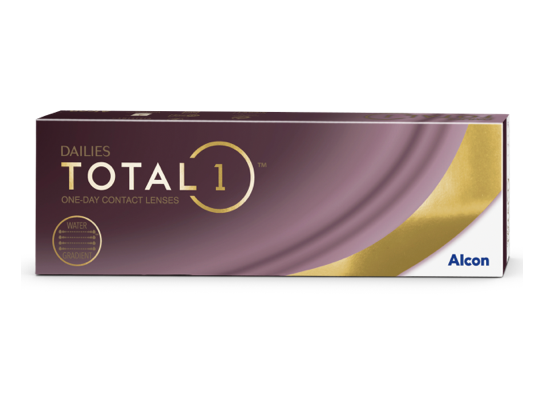
DAILIES TOTAL1™
With only a cushion of moisture touching the eye, it’s the contact lens that feels like nothing.1
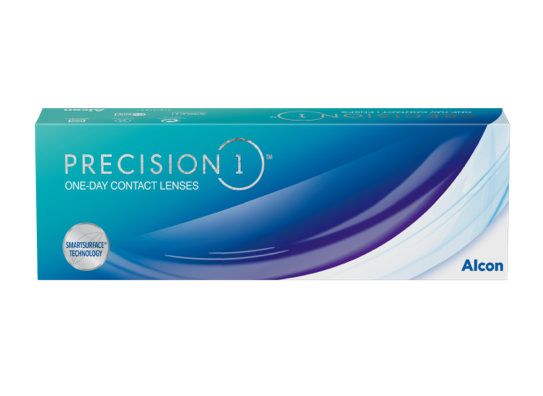
PRECISION1™
Precise vision and dependable comfort2 in an easy-to-wear, easy-to-love daily disposable contact lens.
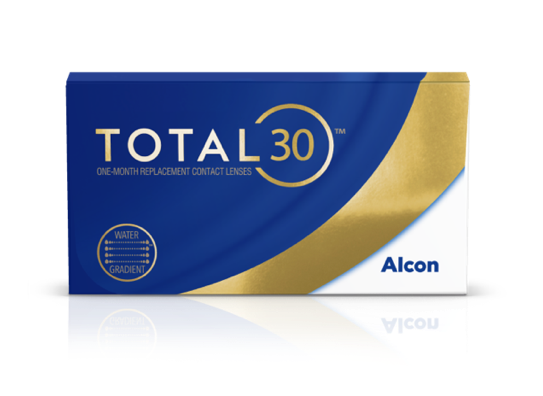
TOTAL30™
The first and only monthly replacement Water Gradient contact lenses, so comfortable they feel like nothing, even at day 30.3
REFERENCES
Consult your eye care professional for wear, care, precautions, warnings, contraindications and adverse effects.
©2023 Alcon IMG-DT1-2300030