Vision Health
Can I Sleep in My Contact Lenses?
5 mins read

That’s the case for wearers whose contact lens prescription allows a week or even a month of continuous wear. There are also lenses worn overnight to correct the shape of the cornea. For this group, overnight wear is normal.
But let’s assume you are a daily disposable contact lens wearer, or one of the millions of monthly replacement contact lens wearers who soak their lenses in contact lens solution each night. You’ve completely forgotten to take out your lens. Maybe a late night out was involved.
Or perhaps an oversight – simply forgetting your normal routine. What are the consequences? The first thing to say is… don’t panic. Almost certainly you won’t have done any lasting damage. The second thing to add is… prevention is better than cure. Here’s what can go wrong—and how to avoid it in the first place.
Research shows that around 85% of people reported at least one behaviour that put them at risk for a contact lens–related eye infection, including sleeping in lenses.1
Sleeping in your contact lenses makes you six to eight times more likely to get an eye infection.2 If this is minor, it will still be irritating and painful. If it becomes serious, you risk damage to your cornea (the surface of your eye) and potentially your sight.

Your cornea is a world champion at fighting off bacteria from the air. To do so, it needs a constant supply of oxygen —and lubrication. Without lenses, you absorb oxygen easily from the air via your tear film, which works with your eyelids to clean and hydrate your corneas. Wearing lenses when awake allows this to keep happening, though the film of tears under your lens doesn’t flow quite as liberally.
But when you’re asleep, there’s less oxygenating air behind your closed lids. That means your eyes can’t fight bacteria in true superhero fashion. If you or your immune system are under particular stress, a restricted oxygen supply can lead to an inflammation (Keratitis) or an infection,2 with exotically named bacteria such as Staphylococcus Aureus and Pseudomonas aeruginosa infecting or ulcerating your cornea. If your eye is cut or scratched, these horrible little beasts leap at the opportunity—and trouble follows.
If you do develop an infection, the problem can sometimes be resolved early using medicated eye drops prescribed by your doctor, but if not, you may need surgery and your cornea could be permanently scarred by an infection.2 Overnight wear can also cause eye strain, pain and over-developed light sensitivity. The lens may tighten on the eye, or cause abrasions. This is an open invitation to infectious microbes—and each of these conditions is going to be painful, dangerous or both.
When the eye is starved of oxygen on a regular basis, there’s another rare but notable risk: you can get a case of corneal neovascularisation.3 This is where blood vessels grow into the area covered by the lens, attempting to oxygenate it. These can damage your vision and eye health.
As we said earlier, there is nothing to worry about, if you mitigate the small risks involved by doing a few simple and sensible things. Only wear lenses overnight if they are prescribed as such. Otherwise, remember to take them out each night. Prevention is way better than cure.
If you do fall asleep with contact lenses in, remove them as soon as you wake up. If one or both lenses have dried out overnight and become ‘glued’ to your eyes, just add some of your multipurpose, sterile contact lens solution or rewetting drops to the affected eye. Blink, then try to take your lenses out in the normal way, before cleaning and disinfecting them.
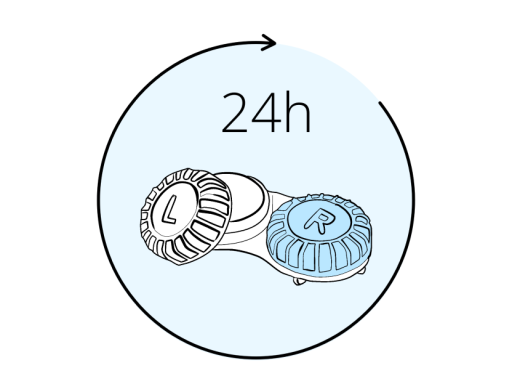
Leave your lenses in their case or blister pack for at least a full day—and if you feel any discomfort, blurred vision, discharge, redness or excessive watering, visit your eye doctor.
The points above relate to lenses prescribed and designed to be worn during the day and taken out at night. As we noted up front however, there are options which can be worn overnight. These are called ‘extended wear’ or ‘continuous wear’ lenses, and some are designed to be worn for up to 30 nights and 31 days as recommended by eye care practitioners. While they are formulated for extended or continuous wear, these ultra-permeable lenses do increase the risk of eye infections, simply by adding a layer to your eye. No lens is as effective or efficient at fighting off inflammations as a natural, uncovered eyeball.
We also mentioned overnight corrective lenses. If you ever hear someone talking about ‘ortho-K’, this is short for ‘orthokeratology’. This is a type of rigid contact lens which reshapes the eye when worn overnight. In other words, it’s the direct opposite of normal daily wear lenses, being worn only when you’re asleep, then taken out when you get up. The corrections made overnight mean you can see more clearly during the day, though this approach only works with a limited range of needs.
Unless you’re prescribed extended wear or ortho-K lenses, the best advice we can give is to give your corneas a break while sleeping. Whenever you need a rest, let your eyes have one too!

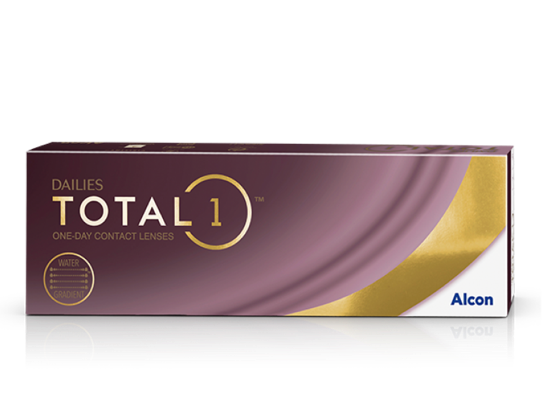
DAILIES TOTAL1™
With only a cushion of moisture touching the eye, it’s the contact lens that feels like nothing.4
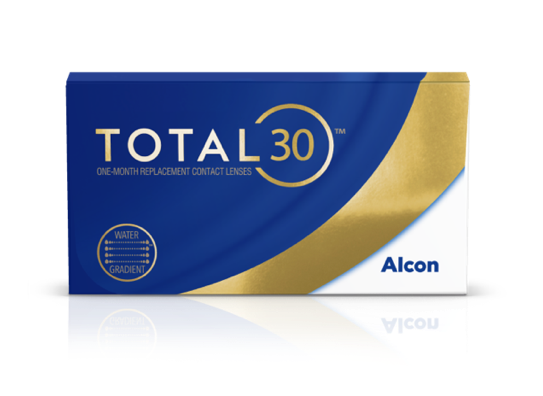
TOTAL30™
The first and only monthly replacement Water Gradient contact lenses, so comfortable they feel like nothing, even at day 30.5
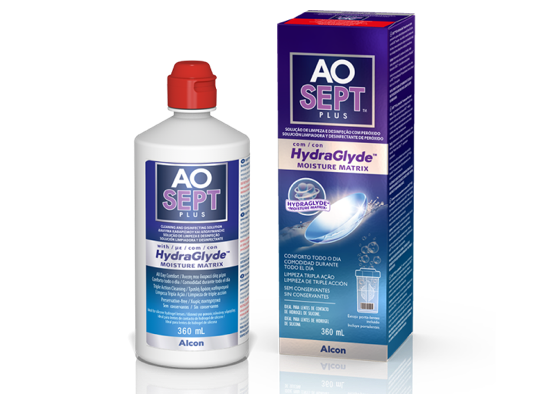
AOSEPT™ PLUS with HydraGlyde™
A gold standard in cleaning lenses
REFERENCES
For contact lenses: Consult your eye care professional for wear, care, precautions, warnings, contraindications and adverse effects.
For contact lens care: Consult your eye care professional for use, care, precautions, warnings, contraindications and adverse effects.
©2023 Alcon IMG-DT1-2300032